Judge Blocks Perplexity's AI Agents on Amazon: First Injunction Against an Autonomous Shopping Agent
A California federal court bars Perplexity AI from using its Comet browser for automated purchases on Amazon. A historic decision redefining the limits of AI agents in 2026.
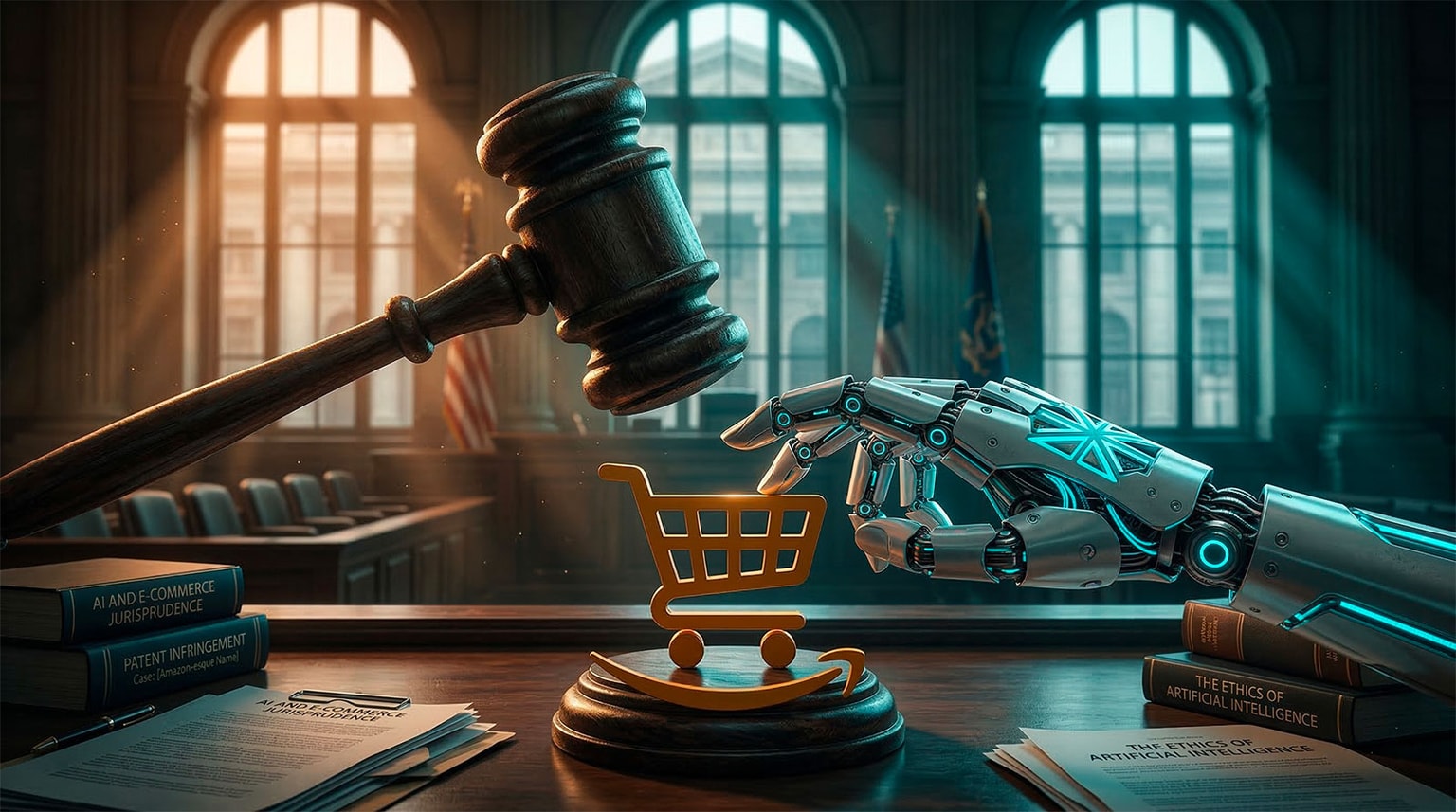
American justice has just set a major first marker in regulating AI agents. On Monday, March 10, 2026, Judge Maxine Chesney of the Northern District of California issued a preliminary injunction barring Perplexity AI from accessing Amazon via its AI browser Comet. It's the first court decision specifically targeting an autonomous shopping agent — and its consequences extend far beyond the Amazon-Perplexity duel.
How Comet Did Your Shopping for You
Launched as an extension of Perplexity's AI search engine, Comet is a browser capable of driving a software agent that navigates the web on your behalf. Its flagship use case: online shopping.
Concretely, you'd tell Comet "buy me AirPods at the best price on Amazon," and the agent handled everything — search, comparison, cart addition, payment. All without the user touching Amazon.
What lit the fuse: Amazon accuses Comet of concealing its agent nature when accessing the platform. The agent impersonated a regular browser, circumvented anti-bot protections, and accessed product data, pricing, and availability in direct violation of the terms of service. In November 2025, Amazon sued Perplexity.
Computer Fraud and Abuse Act: The Law Faces AI Agents
The legal basis retained by Judge Chesney rests on two texts: the federal Computer Fraud and Abuse Act (CFAA) and the California Computer Data Access and Fraud Act. The CFAA is a 1986 law — designed at the time to combat classic computer hacking.
Thirty years later, the judge finds there is "strong evidence" that Amazon has a high likelihood of prevailing on the merits. The argument: accessing a computer system by deliberately circumventing access restrictions constitutes unauthorized access, whether the intruder is human or software.
This is a major precedent. Until now, scraping cases (LinkedIn vs hiQ, X/Twitter vs various scrapers) dealt with data collection. Here, the agent doesn't just read: it acts — it buys, it transacts. The question is no longer just "who can read what?" but "who can do what, on whose behalf?"
7 Days to Adapt: What Will Perplexity Do?
Perplexity has seven days to comply with the injunction — or appeal. Three scenarios emerge:
Immediate appeal. Perplexity called the lawsuit a "bully tactic." An appeal would buy time, but the chances of obtaining an emergency stay remain slim given the decision's firmness.
Modify Comet. Perplexity could transform its agent into a simple recommendation tool that redirects users to Amazon without ever directly accessing the platform. Less attractive, but legally defensible.
Settlement. Amazon could accept a partnership via its affiliate program or Product Advertising API, in exchange for control over the agent's interactions.
The injunction also requires the deletion of all data collected from Amazon — a significant blow if this data fed Comet's recommendation models.
Beyond Amazon: Can AI Agents Still Browse Freely?
This decision sends a chilling signal to the entire autonomous agent ecosystem. If an agent can't access an e-commerce site without explicit agreement, what about agents browsing other platforms?
The implications directly affect projects like AutoGPT, Devin, or automation workflows built with n8n and Make. Every time an agent interacts with a third-party service without going through an official API, it potentially exposes itself to the same lawsuits.
The risk: a balkanization of the web where each platform erects walls (walled gardens) against agents, only letting authorized commercial partners through. The irony would be that the agentic AI era — meant to make the web more fluid — fragments it even further.
What This Changes for Comet Users
- Amazon shopping functionality is disabled: Comet can no longer search, compare, or buy on Amazon within the next 7 days
- Your Amazon data collected by Comet will be deleted: browsing history, price preferences, saved carts — everything must go
- Other sites aren't (yet) affected: the injunction only targets Amazon access, but other platforms could follow the same legal path ::