
Claude Code 2.1.7: Every New Feature That Changes Vibecoding in 2026
Anthropic's Claude Code 2.1.7 ships with Opus 4.6, Agent Teams, AutoMemory and Scheduled Tasks. The complete guide to March 2026 features.
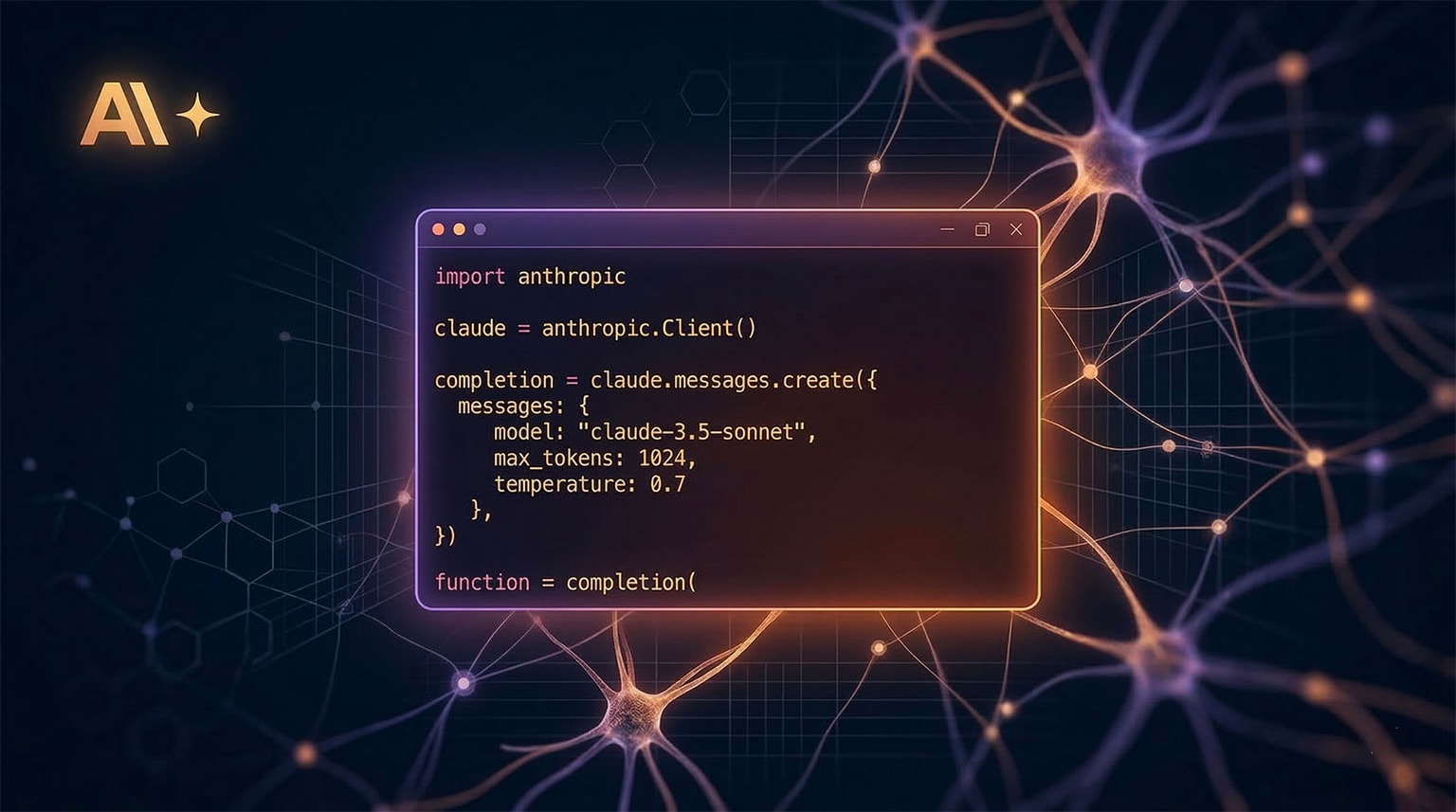
On March 17, 2026, Anthropic launches Claude Code 2.1.7 — the biggest update to its development tool since its February 2025 debut. Opus 4.6 becomes the default model, Agent Teams let multiple instances work in parallel, and AutoMemory automatically learns each developer's habits. Here's everything that's changing.
Opus 4.6 as Default: Why It's a Game Changer
Until now, Claude Code ran on Sonnet 4.5. Fast, but limited on complex tasks. With Claude Code 2.1.7, Opus 4.6 becomes the default model. The difference is immediate.
The context window jumps to 1 million tokens in general availability — no beta header required. In practice, Opus 4.6 can ingest an entire codebase of tens of thousands of lines and reason over it without losing track. The output limit climbs to 64,000 tokens per response.
On long-running tasks — large-scale refactoring, agentic planning, monorepo navigation — Opus 4.6 significantly outperforms Sonnet 4.5. The model maintains coherence across extended reasoning chains. For developers using Claude Code on complex projects, it's a category change.
Agent Teams: Multiple Claudes Working for You in Parallel
Agent Teams are Claude Code 2.1.7's flagship feature. The concept: launch multiple Claude Code instances in parallel, like a coordinated engineering team.
One agent writes unit tests while another implements features. A third refactors existing code. Each instance is a subagent — a specialized agent spawned from the main agent, with its own context and instructions.
Parallelism changes the game. What took 30 minutes sequentially gets done in a fraction of the time. Agent Teams don't just split the work: they coordinate to avoid merge conflicts and maintain codebase consistency.
AutoMemory: Claude That Learns Your Habits
AutoMemory is Claude Code 2.1.7's persistent memory system. With each session, Claude Code automatically writes memory rules based on the user's coding preferences and habits.
These rules are stored in Skills files (.claude/skills/ files), persistent per project. If you prefer arrow functions, Vitest over Jest, or a specific architecture style — Claude Code remembers. Each session becomes smarter than the last.
The concept echoes Nyne, the persistent-memory AI agent developed at UC Berkeley. The difference: AutoMemory is built directly into the development tool, with no external setup required.
The New Commands You Need to Know
Claude Code 2.1.7 introduces several commands that transform the daily workflow.
/loop launches autonomous execution loops. Claude Code repeats a task — build, test, lint — until completion, without intervention. /simplify analyzes modified code and proposes automatic simplifications. /batch processes multiple files or tasks in a single call. /btw lets you add contextual annotations during execution without breaking the flow.
Scheduled Tasks go even further. These are cron-style planned tasks (automatic execution at regular intervals) — with zero human intervention. Nightly deployments, daily regression tests, weekly security audits: Claude Code works while you sleep.
Voice Mode lets you control Claude Code by voice from the terminal. Mux Terminal adds a built-in multiplexed terminal for managing multiple sessions simultaneously.
MCP: Claude Code Connected to All Your Tools
MCP (Model Context Protocol) is the protocol that lets AI agents connect to external tools in real time. With Claude Code 2.1.7, MCP becomes native.
Google Drive, Jira, GitHub and any custom tool are accessible directly from Claude Code. No more copy-pasting Jira tickets or switching between tabs. Claude Code reads the context, proposes solutions and pushes code — in a single session.
MCP is establishing itself as the universal standard for connecting AI agents to productivity tools. Think of it as the REST API equivalent for agents: one protocol to connect them all.
Claude Code 2.1.7 vs Cursor v2.6 vs Manus Desktop
The vibecoding market in March 2026 is more competitive than ever. Here's how Claude Code 2.1.7 stacks up against Cursor v2.6, GitHub Copilot and Manus Desktop.
| Feature | Claude Code 2.1.7 | Cursor v2.6 | GitHub Copilot | Manus Desktop |
|---|---|---|---|---|
| Agent Teams | ✅ | ❌ | ❌ | ❌ |
| Voice Mode | ✅ | ❌ | ❌ | ❌ |
| AutoMemory | ✅ | Partial | ❌ | ✅ |
| Scheduled Tasks | ✅ | ❌ | ❌ | ✅ |
| Native MCP | ✅ | ✅ | ❌ | ❌ |
| Max context | 1M tokens | 200k | 128k | Unlimited local |
Claude Code 2.1.7 dominates on multi-agent orchestration and memory. Cursor remains unbeatable on IDE integration and inline editing speed. GitHub Copilot bets on the Microsoft ecosystem. Manus Desktop excels at local tasks with its autonomous agent that controls your computer, much like OpenAI's GPT-5.4 computer use.
Key Takeaways
- Opus 4.6 is now Claude Code's default model, with a 1-million-token context window.
- Agent Teams let multiple Claude Code instances work in parallel like a coordinated engineering team.
- AutoMemory automatically writes memory rules based on your habits, making each session smarter than the last.
- Scheduled Tasks run development tasks in cron mode, with zero human intervention required.
- MCP (Model Context Protocol) natively connects Claude Code to Google Drive, Jira, GitHub and any custom tool in real time.
With Agent Teams working in parallel, memory that learns, and autonomous scheduled tasks — at what point does a project no longer need a human developer on call? Claude Code 2.1.7 doesn't answer the question. But it makes it a fair one to ask. Check the official changelog for the full list of changes.


