Vibe Coding in 2025: How AI Is Changing the Way Developers Work
Discover how AI is transforming developer workflows in 2025. Learn about vibe coding, AI tools, and tips to boost productivity and creativity.
Introduction
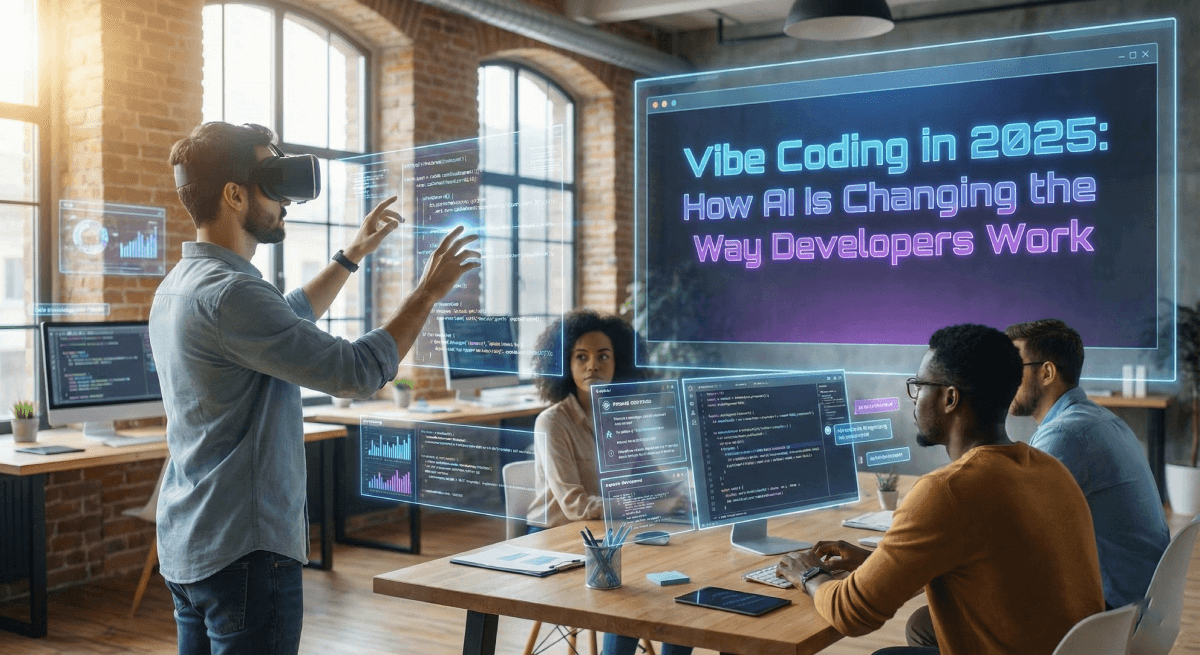
In 2025, coding isn’t just about writing lines of code—it's about vibing with your workflow. The rise of AI-powered tools has transformed the way developers work, making coding faster, smarter, and more creative than ever before. From generating boilerplate code to suggesting innovative solutions, artificial intelligence is no longer just a helper—it’s becoming a true coding companion.
Whether you're a seasoned developer or just starting your programming journey, understanding how AI integrates into your workflow is essential. In this article, we’ll explore the concept of vibe coding, reveal how AI is reshaping developer productivity, and share tips on thriving in this new era of software development.
What is Vibe Coding?
“Vibe coding” is more than just a trendy term—it’s a mindset. It describes a state where developers are fully immersed in their work, writing code efficiently while maintaining creativity and focus. In 2025, vibe coding combines the traditional flow state with the support of AI tools, allowing programmers to accomplish more without burning out.
The concept has evolved alongside technology. While early programmers focused solely on logic and problem-solving, modern developers aim for flow-driven productivity. Vibe coding emphasizes seamless workflows, minimal distractions, and leveraging AI assistants to handle repetitive or mundane tasks. This synergy between human creativity and AI efficiency is redefining what it means to be a productive developer in today’s fast-paced tech landscape.
Key benefits of vibe coding include:
- Enhanced focus and reduced context switching
- Faster code production with AI assistance
- Increased creativity by offloading repetitive tasks
- Better work-life balance due to smarter workflows
In short, vibe coding is about working smarter, not harder, and 2025 is the year it becomes mainstream for developers worldwide.
The Rise of AI in Development
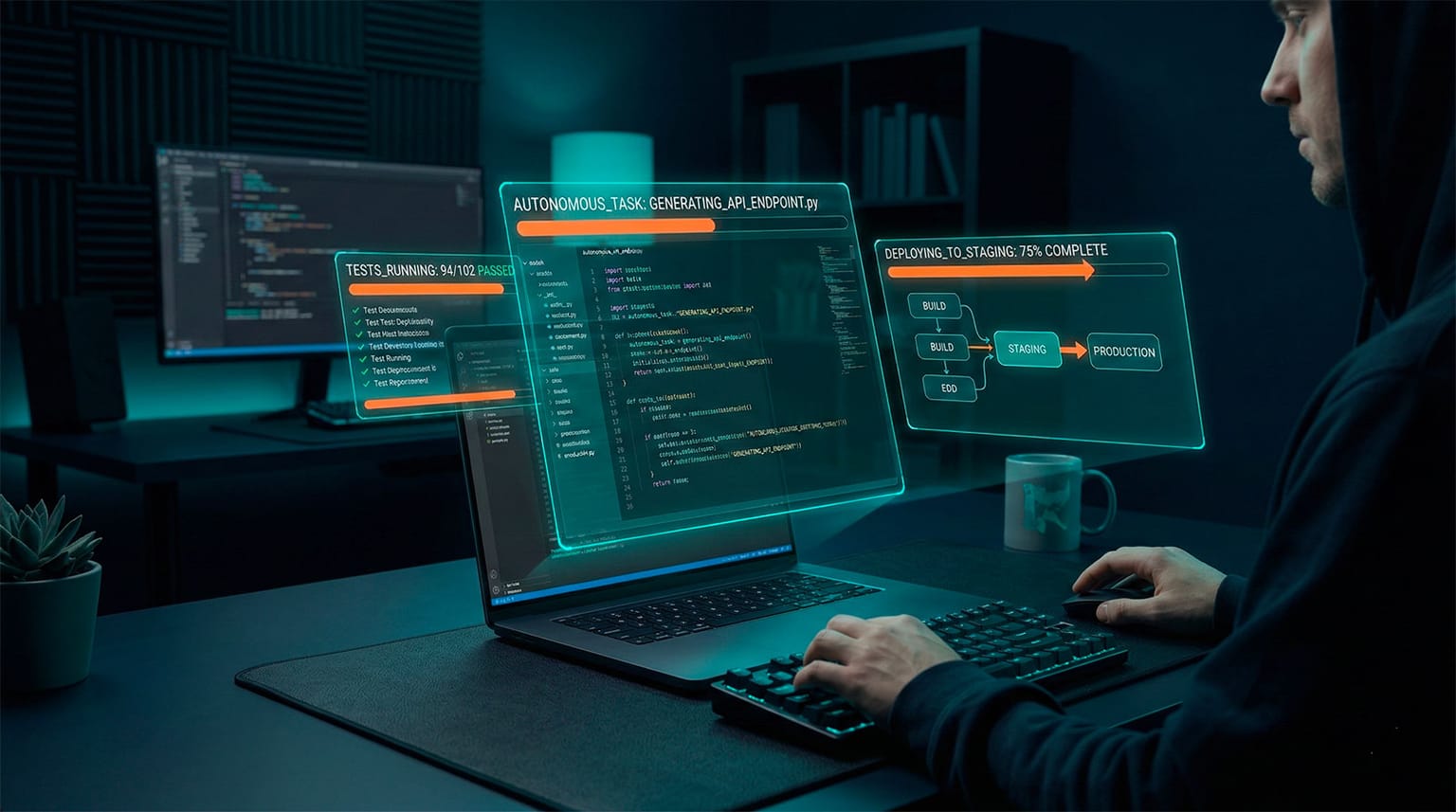
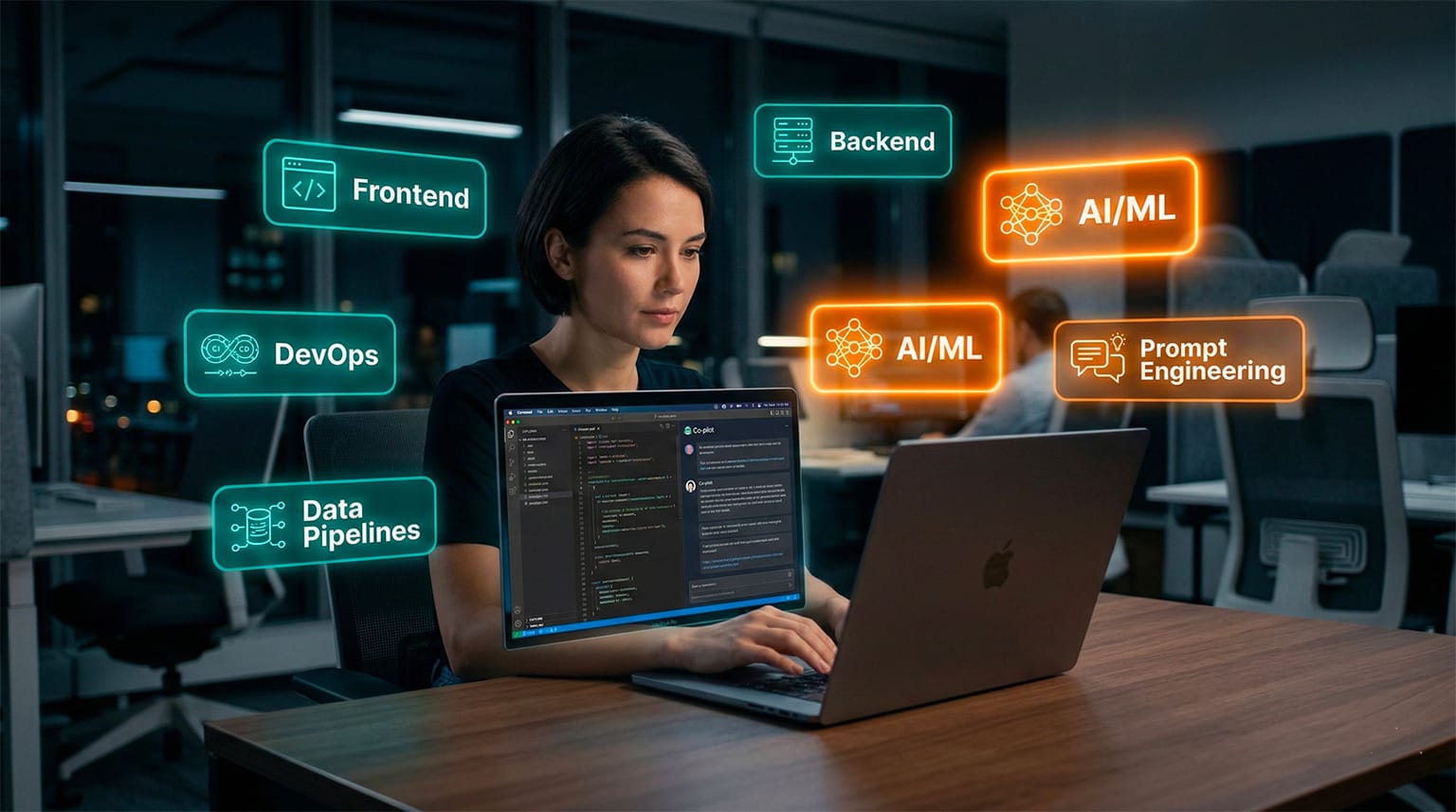
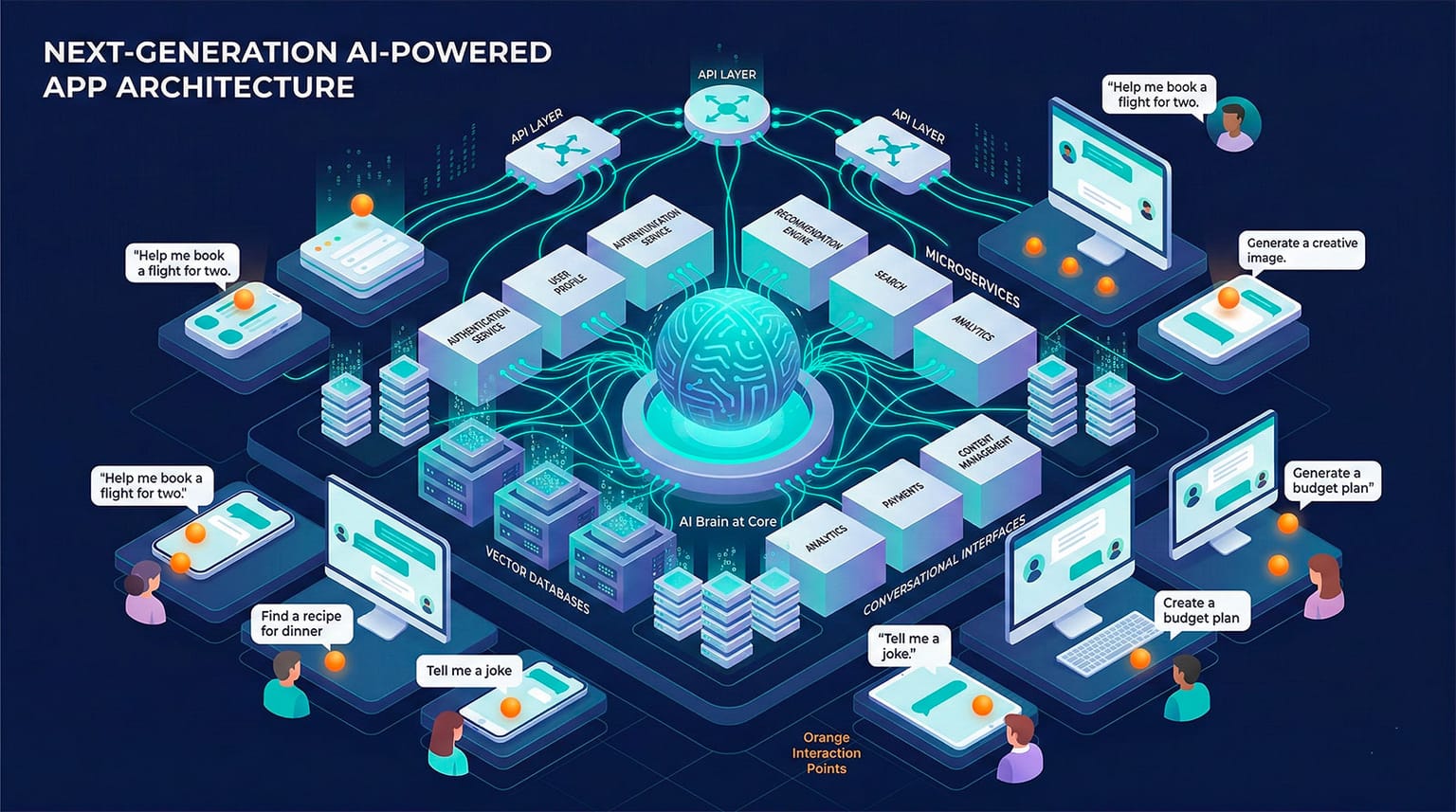
Artificial intelligence has become an integral part of the modern developer’s toolkit. In 2025, AI is no longer a futuristic concept—it’s a daily companion that accelerates coding, reduces errors, and boosts creativity. From code completion to intelligent debugging, AI tools are transforming the way developers approach their work.
Some of the most popular AI-powered tools today include:
- Claude Code: Probably the most popular CLI/tool for vibe-coding
- GitHub Copilot: Offers context-aware code suggestions and autocompletes functions.
- Cursor: Complete AI IDE based on the most popular models. Learn more in our Cursor AI guide.
- Lovable/v0: Provides AI-driven code predictions across multiple languages and frameworks.
For a detailed comparison of these tools, see our best AI coding assistants guide.
These tools automate repetitive tasks, such as writing boilerplate code, refactoring, and even testing. Developers can now focus on higher-level problem-solving and creative coding, while AI handles the mundane parts of the workflow.
Why AI adoption is skyrocketing:
- Companies are seeking faster development cycles to stay competitive.
- Remote and distributed teams need consistent code quality and collaboration tools.
- AI reduces human error, improving software reliability.
- Developers can prototype and iterate faster, enhancing innovation.
In essence, the rise of AI in development is not about replacing programmers—it’s about empowering them. By integrating AI into daily workflows, developers can achieve a new level of productivity and creativity, perfectly aligning with the concept of vibe coding.
How AI Changes the Way Developers Work
AI is reshaping the daily workflow of developers, turning traditional coding routines into a more dynamic, efficient, and creative process. In 2025, it’s no longer just about writing code—it’s about collaborating with intelligent tools that anticipate your needs and enhance your productivity.
Pair Programming with AI
Developers can now engage in a form of pair programming with AI assistants. Tools like GitHub Copilot and ChatGPT act as coding partners, suggesting solutions, flagging potential bugs, and even generating complex functions on the fly. This collaborative approach speeds up development and reduces the mental load on programmers.
Faster Debugging and Error Reduction
AI excels at detecting patterns and predicting errors before they become major issues. With intelligent debugging, developers spend less time hunting for bugs and more time refining features. Automated testing and error detection help maintain high-quality code, even in large projects.
Enhancing Creativity and Problem Solving
By offloading repetitive and mundane tasks, AI frees developers to focus on creative problem-solving. Whether designing a new feature, optimizing algorithms, or experimenting with innovative solutions, developers can explore more possibilities in less time.
Potential Challenges
While AI offers immense benefits, it also brings challenges:
- Dependency Risk: Over-reliance on AI may reduce deep coding skills.
- Bias in Code Generation: AI suggestions can reflect biases or outdated practices.
- Security Concerns: Generated code may introduce vulnerabilities if not carefully reviewed.
Despite these challenges, AI is fundamentally changing the way developers work. By combining human creativity with AI efficiency, 2025 is shaping up to be the year of smarter, vibe-driven coding workflows.
How AI Changes the Way Developers Work
AI is reshaping the daily workflow of developers, turning traditional coding routines into a more dynamic, efficient, and creative process. In 2025, it’s no longer just about writing code—it’s about collaborating with intelligent tools that anticipate your needs and enhance your productivity.
Pair Programming with AI
Developers can now engage in a form of pair programming with AI assistants. Tools like GitHub Copilot and ChatGPT act as coding partners, suggesting solutions, flagging potential bugs, and even generating complex functions on the fly. This collaborative approach speeds up development and reduces the mental load on programmers.
Faster Debugging and Error Reduction
AI excels at detecting patterns and predicting errors before they become major issues. With intelligent debugging, developers spend less time hunting for bugs and more time refining features. Automated testing and error detection help maintain high-quality code, even in large projects.
Enhancing Creativity and Problem Solving
By offloading repetitive and mundane tasks, AI frees developers to focus on creative problem-solving. Whether designing a new feature, optimizing algorithms, or experimenting with innovative solutions, developers can explore more possibilities in less time.
Potential Challenges
While AI offers immense benefits, it also brings challenges:
- Dependency Risk: Over-reliance on AI may reduce deep coding skills.
- Bias in Code Generation: AI suggestions can reflect biases or outdated practices.
- Security Concerns: Generated code may introduce vulnerabilities if not carefully reviewed.
Despite these challenges, AI is fundamentally changing the way developers work. By combining human creativity with AI efficiency, 2025 is shaping up to be the year of smarter, vibe-driven coding workflows.
The Future of Vibe Coding
As we look beyond 2025, the future of vibe coding promises even more integration between human developers and AI. The traditional boundaries of programming are shifting, and the role of developers is evolving from pure code writing to strategic problem-solving and creative innovation.
Evolving Developer Roles
Developers of the future will act more like orchestrators of AI tools rather than just coders. They will focus on:
- Designing complex systems
- Guiding AI-generated solutions
- Ensuring ethical and secure software practices
AI will handle repetitive coding, optimization, and testing, allowing humans to dedicate time to innovation, architecture, and user experience.
Essential Skills for 2025 and Beyond
To thrive in the era of AI-assisted coding, developers should cultivate:
- Proficiency with AI coding tools and platforms
- Strong problem-solving and critical thinking skills
- Knowledge of secure and ethical AI practices
- Adaptability to continuously evolving technologies
Real-World Adoption
Leading tech companies are already embracing vibe coding powered by AI. Teams report faster project completion, fewer bugs, and higher developer satisfaction. As AI continues to improve, vibe coding is likely to become the standard approach for software development worldwide.
In short, the future of vibe coding is about synergy: human creativity and AI efficiency working together to redefine productivity and innovation in software development.
Tips to Embrace Vibe Coding with AI
Adopting vibe coding with AI requires more than just installing tools—it’s about creating a workflow that balances efficiency, creativity, and focus. Here are some actionable tips to help developers thrive in the AI-powered coding era.
1. Choose the Right AI Tools
Not all AI assistants are created equal. Evaluate tools based on your workflow, programming languages, and project needs. Popular options in 2025 include:
- GitHub Copilot for intelligent code suggestions
- ChatGPT for problem-solving and explanations
- Tabnine for predictive coding across multiple frameworks
2. Maintain the Human Touch
AI can automate repetitive tasks, but human oversight is crucial. Always review AI-generated code for:
- Accuracy and efficiency
- Security vulnerabilities
- Alignment with project standards
3. Optimize Your Workflow
Integrate AI tools seamlessly into your development environment:
- Use AI for boilerplate code, testing, and refactoring
- Keep your focus on creative problem-solving and architecture
- Minimize distractions to stay in a state of flow
4. Continuous Learning
The AI landscape evolves rapidly. Stay updated by:
- Following AI and developer communities
- Experimenting with new tools and features
- Learning about ethical and secure AI practices
5. Balance Productivity and Well-Being
Vibe coding isn’t just about efficiency—it’s about sustainable productivity. Use AI to reduce repetitive work, avoid burnout, and maintain a healthy work-life balance.
By embracing these practices, developers can fully leverage AI to enhance productivity, creativity, and overall job satisfaction—truly embodying the essence of vibe coding in 2025.
Conclusion
Vibe coding in 2025 represents a fundamental shift in how developers approach their work. By combining human creativity with AI-powered efficiency, developers can achieve higher productivity, faster problem-solving, and more innovative solutions. The tools available today, from GitHub Copilot to ChatGPT, are not just assistants—they are collaborators that help programmers reach a new state of flow.
Embracing vibe coding means more than adopting AI tools; it’s about cultivating a workflow that balances efficiency, creativity, and well-being. As AI continues to evolve, developers who learn to work alongside these intelligent systems will have a significant advantage in the competitive tech landscape.
Ready to take your coding to the next level? Start experimenting with AI tools today, join developer communities, and explore how vibe coding can transform your workflow. If you want to dive deeper, check out our guide on how to build a multi-tool vibe coding workflow. The future of software development is here—are you ready to vibe with it?
Earn passive income while you code
Install Idlen and earn money from your idle browser time. Zero extra work, 100% privacy.